Best Chinese Car Brands to Import in 2025: Top Choices
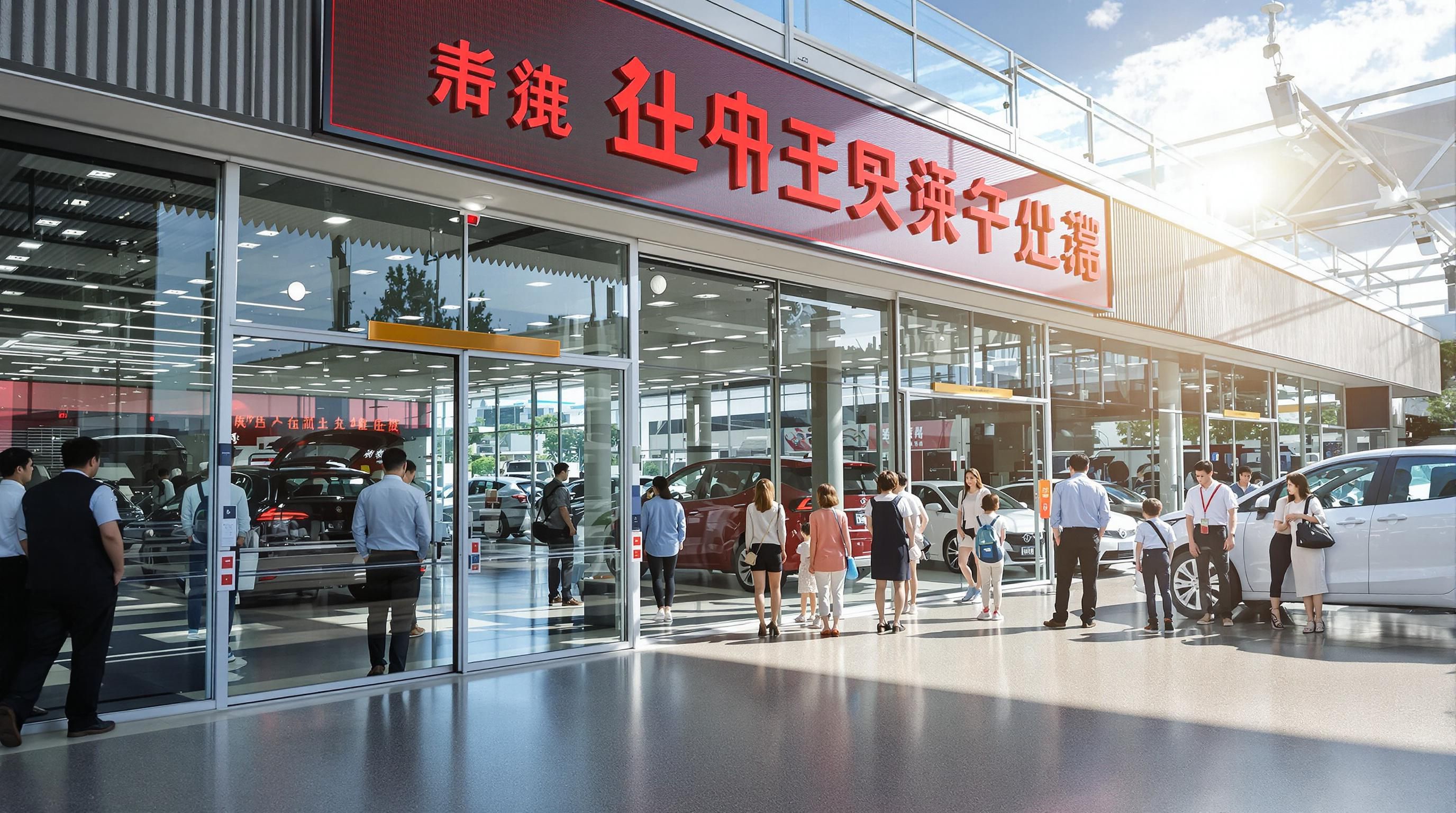
Chinese car brands are now shaking up the global market, with names like BYD and NIO rapidly closing the gap on Western giants. You might expect bargain prices to be the headline, but wait. Over a third of the global electric vehicle market is forecast to be controlled by Chinese companies by 2030, all thanks to their relentless push for revolutionary tech and ultra-fast charging. It is not just about cheap cars anymore. These brands are fast becoming the obvious choice for anyone after cutting-edge design and world-class electric vehicles.
Table of Contents
Quick Summary
Takeaway | Explanation |
|---|---|
Chinese brands are competitively innovative | Chinese manufacturers like BYD, NIO, and Xpeng integrate advanced technology and competitive pricing in their vehicles. |
Thorough research is essential for importers | Importers must understand regulations, assess supplier reliability, and evaluate vehicle specifications before purchasing. |
Electric vehicles lead the market transformation | Chinese automakers are spearheading the EV revolution with advanced features and superior battery technology. |
Robust verification enhances import safety | Conducting detailed vehicle inspections and background checks reduces risks associated with importing cars from China. |
Financial planning is critical for successful imports | Importers need to budget for all costs, including shipping and compliance, beyond the purchase price. |
Top Chinese Car Brands for Importing
Importing Chinese automobiles has become an increasingly strategic decision for global automotive markets, driven by technological advancements and competitive pricing. The landscape of Chinese automotive manufacturing has transformed dramatically, with brands emerging as serious contenders in the international market.
Rise of Chinese Automotive Innovation
Recent developments in the automotive sector demonstrate China’s remarkable progress in vehicle manufacturing. According to Reuters, the global automotive landscape is experiencing significant shifts, particularly in electric vehicle (EV) technology. Chinese manufacturers have been investing heavily in research and development, creating vehicles that combine advanced technology with competitive pricing.
The best Chinese car brands are no longer just budget alternatives but genuine technological innovators. Brands like BYD, NIO, and Xpeng have been pushing the boundaries of electric vehicle design and performance. These manufacturers are not just copying Western automotive technologies but are developing unique solutions that address modern transportation challenges.
Market Competitiveness and Global Positioning
Chinese automotive brands are gaining substantial ground in the global market. Financial Times reports that despite international trade tensions, Chinese car manufacturers continue to demonstrate impressive technological capabilities and cost-effectiveness. The emerging brands are particularly strong in the electric vehicle segment, offering advanced features at significantly lower price points compared to established Western manufacturers.
Key factors contributing to the attractiveness of Chinese car brands include:
Technological Innovation: Advanced battery technologies and smart connectivity features
Cost Efficiency: Competitive pricing strategies that make vehicles more accessible
Rapid Development Cycles: Quick adaptation to market demands and technological trends
Strategic Considerations for Importers
For automotive importers and businesses looking to diversify their vehicle portfolios, Chinese brands present compelling opportunities. The market offers a range of vehicles from budget-friendly options to high-end technological marvels. Learn more about importing vehicles from China with our comprehensive guide.
However, potential importers should conduct thorough due diligence. Considerations include understanding import regulations, assessing long-term support and parts availability, and evaluating the specific technological features of different brands. Each Chinese automotive manufacturer has unique strengths, and matching these with specific market requirements is crucial for successful importation.
The trajectory of Chinese automotive brands suggests continued growth and innovation. As global markets become increasingly interconnected, these manufacturers are positioning themselves not just as alternative options but as primary choices for sophisticated, technology-driven consumers seeking high-quality, affordable vehicles.
Navigating this evolving landscape requires a strategic approach, keen market understanding, and an openness to the transformative potential of Chinese automotive engineering.
To provide a clear overview, the table below summarises the key factors driving the competitiveness of Chinese automotive brands discussed above:
Factor | Description |
|---|---|
Technological Innovation | Advanced batteries, smart connectivity features |
Cost Efficiency | Competitive pricing, accessibility |
Rapid Development Cycles | Quick adaptation to market and tech trends |
Key Features of Chinese Cars in 2025
The automotive landscape in 2025 is set to be dramatically reshaped by Chinese car manufacturers, who are pushing technological boundaries and redefining consumer expectations. These vehicles are no longer merely affordable alternatives but sophisticated machines packed with cutting-edge innovations.

Advanced Technological Integration
Chinese automotive manufacturers are pioneering remarkable technological advancements that set them apart in the global market. According to Time Magazine, Chinese EV companies are projected to capture a third of the global market by 2030, driven by their commitment to technological excellence.
Key technological features emerging in Chinese cars for 2025 include sophisticated driver-assistance systems. Reuters highlights BYD’s groundbreaking ‘God’s Eye’ autonomous driving technology, which will be integrated into 21 vehicle models. This system represents a significant leap in smart driving capabilities, making advanced autonomous features accessible across various price points.
Electric Vehicle Revolution
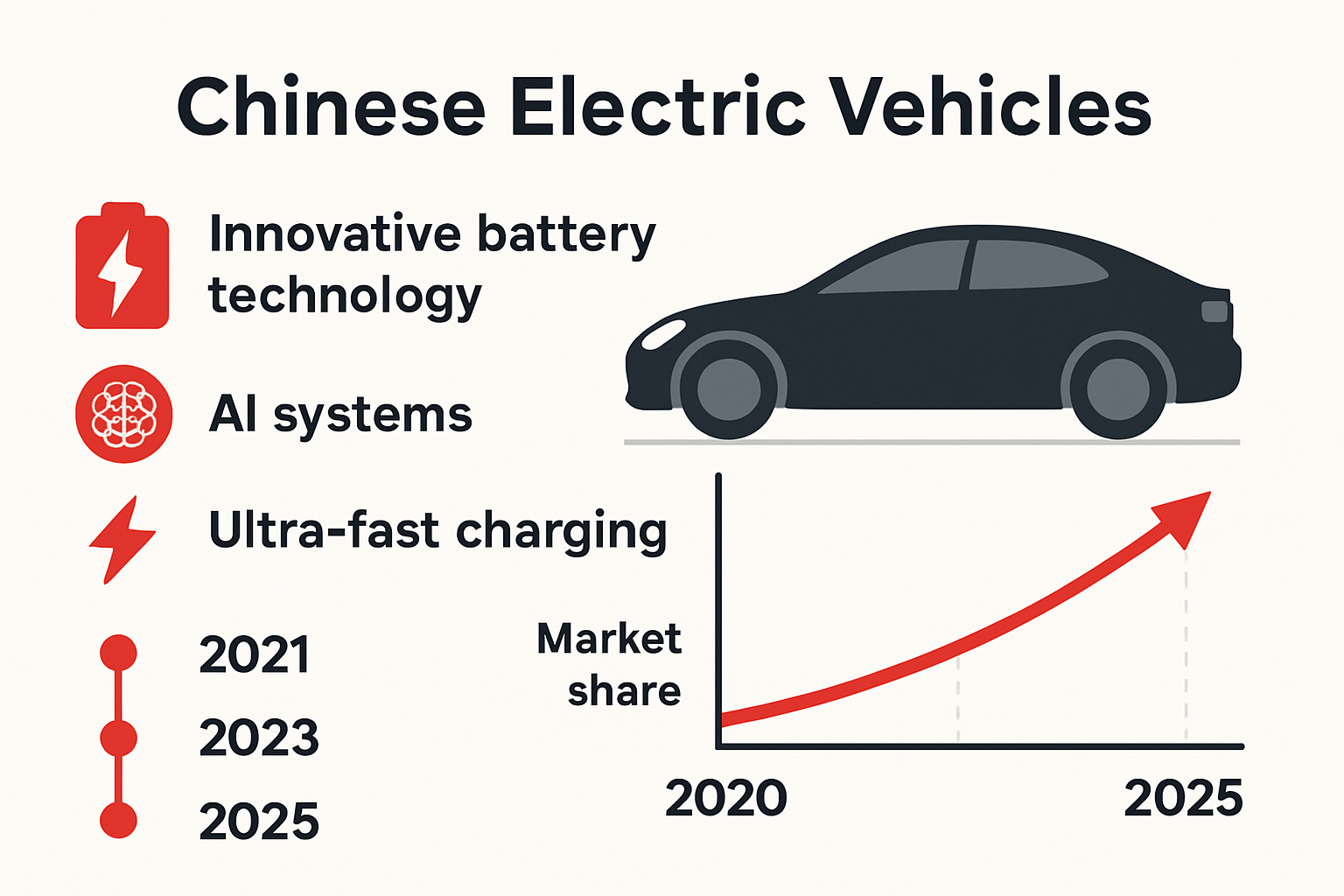
Electric vehicles are at the forefront of Chinese automotive innovation. The Financial Times reports that Chinese EV manufacturers are developing superfast charging systems and advanced self-driving technologies that are set to outpace traditional internal combustion engine vehicles.
Standout features of Chinese electric vehicles in 2025 include:
Battery Technology: Ultra-fast charging capabilities and extended range performance
Smart Connectivity: Integrated AI systems for enhanced user experience
Sustainable Design: Environmentally conscious manufacturing processes
Design and Performance Innovations
Chinese car manufacturers are not just focusing on technology but are also revolutionizing vehicle design and performance. They are creating vehicles that blend aesthetic appeal with functional sophistication. Discover more about importing innovative Chinese vehicles.
The emerging Chinese automotive models demonstrate a holistic approach to vehicle design. They incorporate advanced materials, streamlined aerodynamics, and intelligent systems that adapt to driver preferences. From compact urban vehicles to expansive electric SUVs, these cars represent a new generation of transportation technology.
Consumers can expect vehicles that offer unprecedented levels of connectivity, with seamless integration of smartphone technologies, advanced navigation systems, and personalized driving experiences. The cars of 2025 will be more than transportation devices they will be intelligent companions that understand and anticipate user needs.
As the global automotive industry continues to evolve, Chinese manufacturers are positioning themselves not just as competitors but as innovative leaders driving the future of mobility. Their commitment to technological advancement, sustainable design, and user-centric features is transforming perceptions of what modern vehicles can achieve.
The following table summarises the standout features of Chinese electric vehicles in 2025 as described above:
Feature | Description |
|---|---|
Battery Technology | Ultra-fast charging, extended range |
Smart Connectivity | Integrated AI systems for user experience |
Sustainable Design | Environmentally friendly manufacturing |
How to Buy and Import Cars from China
Importing cars from China requires a strategic approach, careful planning, and comprehensive understanding of international automotive trade regulations. The process involves multiple complex steps that demand meticulous attention to detail and compliance with both Chinese export and destination country import requirements.
Understanding Import Regulations and Compliance
Navigating the legal landscape of automotive imports is crucial for a successful transaction. According to the U.S. Environmental Protection Agency, importers must meet stringent emissions standards and provide comprehensive documentation for vehicles manufactured outside the United States.
Key regulatory considerations include:
Emissions Certification: Vehicles must meet specific environmental standards
Safety Compliance: Adherence to destination country vehicle safety regulations
Customs Documentation: Accurate and complete import/export paperwork
Potential importers should consult with customs brokers and legal experts specializing in international automotive trade to ensure full compliance with all applicable regulations. Each country has unique requirements, and understanding these nuanced details is essential for a smooth import process.
Financial and Logistical Planning
Successful car importation from China involves comprehensive financial planning and logistics management. Importers must consider multiple cost factors beyond the vehicle’s purchase price, including:
Shipping and transportation expenses
Import duties and taxes
Customs clearance fees
Potential modification costs to meet local regulations
Insurance and handling charges
Explore our comprehensive guide to importing vehicles to understand the intricate details of international automotive procurement.
Selecting Reliable Suppliers and Verification Processes
Choosing a reputable Chinese automotive manufacturer and establishing a trustworthy procurement channel is paramount. Recommended steps include:
Conducting thorough background checks on potential manufacturers
Requesting and verifying manufacturer certifications
Obtaining detailed vehicle specifications and compliance documentation
Arranging independent vehicle inspections before finalizing purchase
Establishing clear communication channels with the supplier
Modern importers leverage digital platforms and international trade networks to connect with verified Chinese automotive manufacturers. Advanced verification processes, including virtual tours, detailed documentation reviews, and third-party quality assessments, help mitigate risks associated with long-distance purchasing.
While the process might seem complex, the potential rewards of importing Chinese vehicles are significant. The combination of advanced technology, competitive pricing, and innovative design makes Chinese automotive brands increasingly attractive to global markets.
Successful importation requires patience, diligence, and a comprehensive understanding of international trade dynamics. Professionals who invest time in thorough research and strategic planning will be best positioned to navigate the nuanced landscape of importing cars from China.
To help importers, the table below outlines the key steps in the Chinese car import process, as discussed in this section:
Step | Purpose |
|---|---|
Review import regulations | Ensure compliance with environmental and safety laws |
Financial and logistical planning | Budget for shipping, taxes, insurance, modifications |
Select reliable suppliers | Secure trustworthy partners/manufacturers |
Verify vehicle documentation | Confirm compliance and authenticity |
Arrange independent inspection | Assess vehicle condition and reliability |
Complete customs and import paperwork | Facilitate smooth cross-border transportation |
Tips for Safe and Reliable China Car Import

Importing a car from China requires a strategic approach that prioritizes safety, reliability, and compliance with international automotive standards. Successful importation goes beyond simple purchase transactions and demands comprehensive due diligence to ensure a secure and satisfactory automotive acquisition.
Comprehensive Vehicle Verification
Ensuring the reliability of an imported Chinese vehicle begins with rigorous verification processes. According to the U.S. Department of Commerce, importers must meticulously document and verify vehicle compliance with safety and environmental regulations.
Key verification steps include:
Detailed Vehicle History: Comprehensive background checks and documentation review
Mechanical Inspection: Professional assessment of vehicle condition and performance
Authenticity Verification: Confirming manufacturer credentials and vehicle provenance
Professional importers recommend obtaining independent third-party inspections before finalizing any purchase. These assessments provide critical insights into the vehicle’s actual condition, potential maintenance requirements, and overall reliability.
Regulatory Compliance and Documentation
Navigating the complex landscape of international automotive import regulations requires meticulous attention to detail. Importers must prepare comprehensive documentation that demonstrates full compliance with destination country requirements.
Critical documentation elements include:
Original manufacturer certificates
Detailed vehicle specification sheets
Emissions and safety compliance documentation
Comprehensive shipping and customs clearance paperwork
Explore our expert guidance on vehicle import documentation to streamline your import process and minimize potential regulatory complications.
Risk Mitigation and Financial Considerations
Successful car importation from China involves strategic risk management and financial planning. Importers should develop comprehensive strategies that address potential challenges and protect their investment.
Recommended risk mitigation approaches include:
Obtaining comprehensive international shipping insurance
Establishing clear communication channels with manufacturers and shipping partners
Budgeting for potential additional modification or compliance costs
Creating contingency plans for unexpected logistical challenges
Professional importers understand that successful international vehicle procurement extends beyond the initial purchase. It requires a holistic approach that considers technological compatibility, regulatory requirements, and long-term support infrastructure.
The Chinese automotive market offers remarkable opportunities for discerning importers who approach the process with patience, diligence, and strategic planning. By implementing robust verification processes, maintaining strict regulatory compliance, and developing comprehensive risk management strategies, importers can successfully navigate the complexities of international automotive procurement.
Ultimately, safe and reliable car importation from China demands a combination of thorough research, professional expertise, and a commitment to understanding the nuanced dynamics of international automotive trade.
Frequently Asked Questions
What are the top Chinese car brands to consider for import in 2025?
Chinese car brands such as BYD, NIO, and Xpeng are among the top choices for importing in 2025, known for their technological innovation and competitive pricing in the electric vehicle market.
How has the Chinese automotive market changed in recent years?
The Chinese automotive market has transformed significantly, focusing on advanced technology, particularly in electric vehicles, and offering vehicles that combine innovative features with affordability.
What key features should I look for in Chinese cars when importing?
When importing Chinese cars, look for advanced technological integration, battery technology, smart connectivity, and innovative design to ensure you’re choosing a vehicle that meets modern standards.
What steps should I follow to import a car from China?
To import a car from China, you should understand import regulations, plan for logistics and finances, select reliable suppliers, conduct vehicle verification, and ensure compliance with local laws.
Secure Your Access to the Most Innovative Chinese Cars of 2025
Rising global demand for trustworthy Chinese car brands brings new opportunities, but the risks of unreliable suppliers, unclear import regulations, and hidden costs can hold you back. If you are determined to import advanced electric or petrol vehicles, you need a seamless and secure partner. As highlighted above, success in international car importing depends on due diligence, verified sourcing, and step-by-step regulatory guidance.
Let NomadCars give you a competitive edge. We combine rigorous vehicle inspection, transparent logistics, and expert compliance support for every Chinese car export. Discover how to start your safe and efficient import journey with our team of professionals. Act now to secure your preferred 2025 models before demand surges. Visit our landing page or explore all solutions for importers and move forward with confidence.


Комментарии
Отправить комментарий